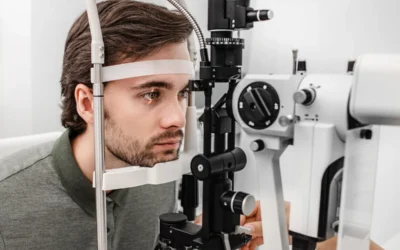
If headlights seem brighter, road signs look blurrier, or driving after dark feels more stressful than it used to, you are not alone. Night driving often gets harder with age because the eyes need more light, adjust more slowly to glare, and become more vulnerable to common vision changes. A comprehensive eye exam in Spokane Valley can help identify what is affecting your night vision and what options may help you feel more confident behind the wheel.
Why does aging affect night driving?
Aging can change how much light reaches the retina and how clearly the eyes focus in low-light conditions. The pupils naturally become smaller with age, which means less light enters the eye at night. The lens inside the eye can also become less clear, making glare from headlights, streetlights, and wet roads feel more intense.
Common age-related causes of night driving difficulty include:
- Changes in glasses or contact lens prescriptions
- Cataracts, which can cause glare, halos, and cloudy vision
- Dry eye, which can make vision fluctuate
- Early eye diseases that affect contrast or peripheral vision
- Reduced ability to adjust between bright headlights and dark roads
Even small vision changes can feel much more noticeable at night because your eyes have less visual information to work with.
What symptoms should you pay attention to?
Night driving problems can show up in different ways. You may notice that you avoid driving after sunset, slow down more than usual, or feel tense when passing oncoming traffic. Other signs include:
- Halos or starbursts around headlights
- Trouble reading road signs until you are close
- Blurry distance vision while driving
- Increased glare sensitivity
- Difficulty seeing pedestrians, curbs, or lane markings
- Poor depth perception in dim lighting
If these symptoms are new, worsening, or interfering with daily life, they are worth discussing with an eye doctor.
How can an eye exam help with night vision?
A comprehensive eye exam can determine whether your night driving issues are related to your prescription, eye health, or another condition. Our exams assess visual acuity, eye teaming, peripheral vision, eye pressure, and the health of the retina and optic nerve.
Technology can also provide a deeper look at eye health. We use advanced eye health technology such as Optomap, digital retinal imaging, OCT, and visual field testing to help evaluate structures in the back of the eye and monitor for conditions like glaucoma, macular degeneration, and diabetic retinopathy. Some of these conditions may develop gradually, and early detection can help protect long-term vision.
What can make night driving easier?
The right solution depends on the cause. Your eye doctor may recommend an updated glasses prescription, lens options that reduce glare, treatment for dry eye, cataract evaluation, or monitoring for eye disease.
For some patients, refractive surgery may also be worth discussing. If dependence on glasses or contact lenses is part of the problem, LASIK consultations in Spokane Valley can help determine whether laser vision correction may be appropriate. LASIK is not right for everyone, and it will not treat every cause of night driving difficulty, but a consultation can help you understand your options.
Protect your night vision with regular eye care
Night driving should not feel unsafe or overwhelming. If aging vision changes are making it harder to drive after dark, an eye exam can help uncover the cause and guide the next step. Our team helps patients understand their vision, monitor eye health, and find practical solutions for clearer, more comfortable sight. Schedule an appointment today to talk about your night driving concerns.