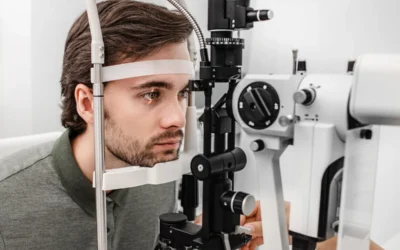
A contact lens fitting helps ensure your lenses provide clear, comfortable vision while supporting your eye health. During a contact lens exam, Dr. Danny Adams evaluates more than your glasses prescription. He considers the shape of your eyes, your vision needs, and factors that can affect how contacts feel throughout the day.
Whether you are trying contacts for the first time or need to update your lens type, a proper fitting is an important part of finding the right match.
Why do contact lenses require a separate exam?
Contact lenses sit directly on the surface of the eye, so they are considered medical devices and require a separate prescription. A glasses prescription alone does not include the measurements needed to select contact lenses safely and comfortably.
When you schedule a comprehensive eye exam, let our team know that you wear contacts or are interested in trying them. Your contact lens evaluation can be completed during the same visit.
What tests are included in a contact lens fitting?
A contact lens fitting begins with a discussion about your vision, daily routine, hobbies, and preferences. Dr. Adams will ask how often you plan to wear contacts and whether you have experienced concerns such as dryness, irritation, or blurry vision with lenses in the past.
Your fitting may include:
- Measuring the curvature of your cornea to determine the appropriate lens size and shape
- Measuring your pupils to help identify contacts that fit your eyes well
- Checking your prescription and evaluating how clearly you see
- Looking for signs of eye health concerns that may affect lens wear
- Assessing for dry eye symptoms that can make contacts uncomfortable
These measurements help determine the lens power, diameter, base curve, and material that may work best for your eyes. Patients with astigmatism may need toric contact lenses, while people with age-related near-vision changes may benefit from multifocal options.
How does dry eye affect contact lens comfort?
Dry eye can make contact lenses feel scratchy, blurry, or difficult to wear for a full day. Because of this, Dr. Adams checks for signs of dryness during a fitting and can recommend lens materials, wear schedules, or treatment options that better support comfort.
If you frequently experience burning, watery eyes, irritation, or fluctuating vision while wearing contacts, mention it at your appointment. Addressing these symptoms can make a meaningful difference in your contact lens experience.
Will I try on lenses during my appointment?
In many cases, yes. You may receive trial lenses so Dr. Adams can evaluate how they fit, move, and perform on your eyes. You will also have a chance to share whether your vision feels clear and whether the lenses feel comfortable.
First-time contact lens wearers may receive instruction on how to insert, remove, clean, and store their lenses. Taking time to learn proper handling helps protect your eyes and keeps your lenses in good condition.
Find contacts that fit your life
The right contact lenses should feel like a natural part of your routine, not a daily source of irritation. A personalized fitting can help you find lenses that match your vision needs, eye health, and lifestyle. Schedule a contact lens exam with us to get started with comfortable, clear vision.